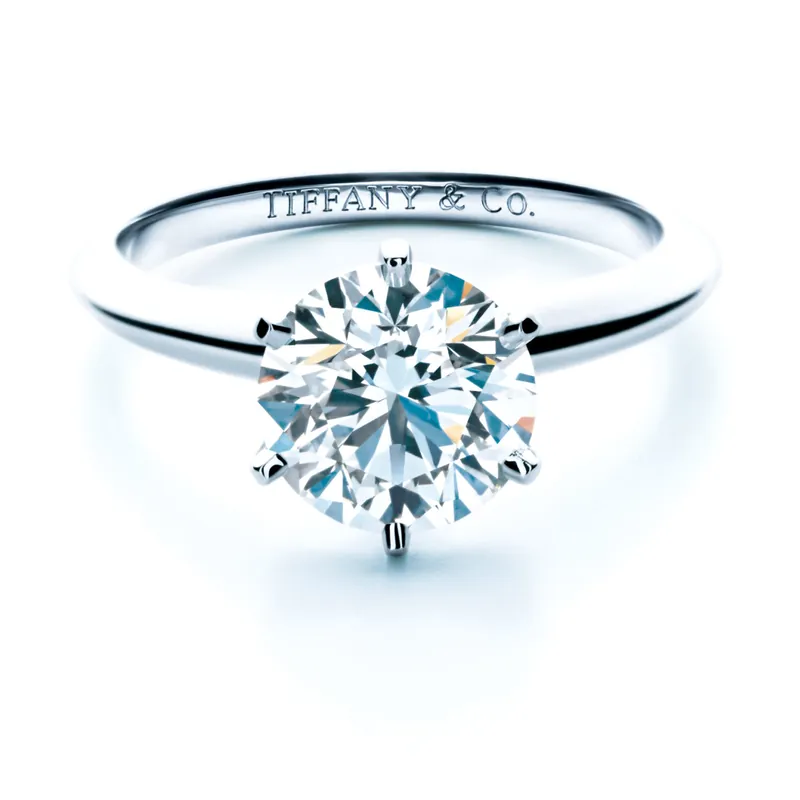
Tiffany & Co. · 1886
The Tiffany Setting
Six slender prongs lift a round brilliant diamond clear of the band, so the stone, not the mount, carries the ring.
- Introduced
- 1886
- Designer
- Charles Lewis Tiffany
- Idea
- The single stone
- School
- New York
- Materials
- platinum, diamond
The story
Charles Lewis Tiffany introduced the setting in 1886, when engagement stones still sat low in heavily ornamented gold. Raising the diamond on six prongs let light reach it from every side, and the design was copied so widely that the house issued public warnings against counterfeits. It became the outline most people still draw when they draw an engagement ring.
The ladder
- Signature The Tiffany Setting engagement ring in platinum with a round brilliant diamond Not published
Prices as published by Tiffany & Co. in euros, October 2026.
Lineage
-
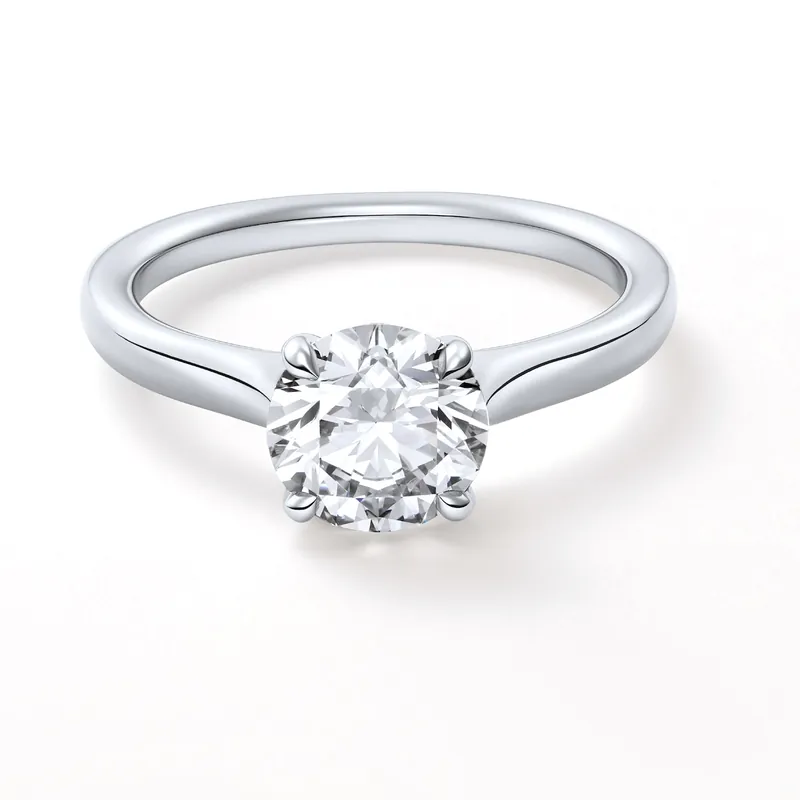
Answered by · 1895
Solitaire 1895, Cartier (1895)
Nine years after Tiffany's six prongs, Cartier raised its one stone on four claws above a plain band.
-
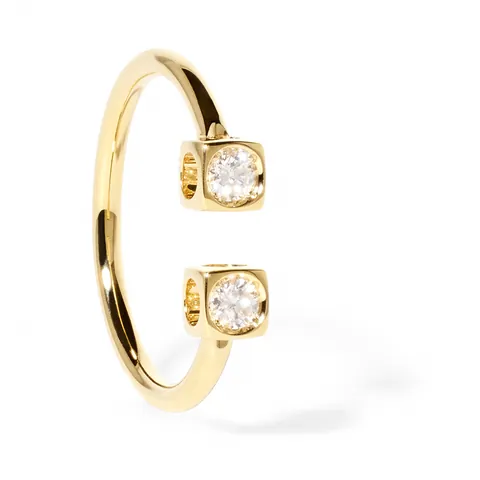
Answered by · 1971
Le Cube Diamant, dinh van (1971)
Dinh Van keeps the single round diamond but holds it inside an open gold cube, the circle set against the square.
-
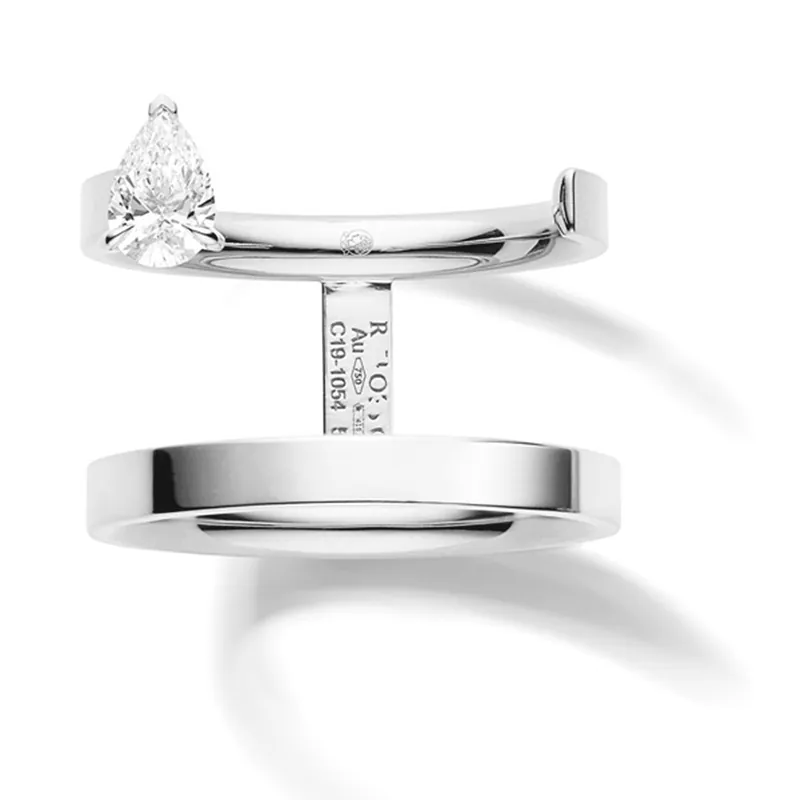
Answered by · 2014
Serti sur Vide, Repossi (2014)
Repossi takes the stone lifted clear of the band to its limit and hides the setting, so the diamond hovers on nothing.
If you love The Tiffany Setting
On the map

Side by side
- The Tiffany Setting or Solitaire 1895 Cartier
- The Tiffany Setting or Le Cube Diamant dinh van
- The Tiffany Setting or Joséphine Chaumet
- The Tiffany Setting or Serti sur Vide Repossi
- The Tiffany Setting or Piaget Solstice Piaget
- The Tiffany Setting or Albion David Yurman
- The Tiffany Setting or Cartier Destinée Cartier
- The Tiffany Setting or Etincelle de Cartier Cartier
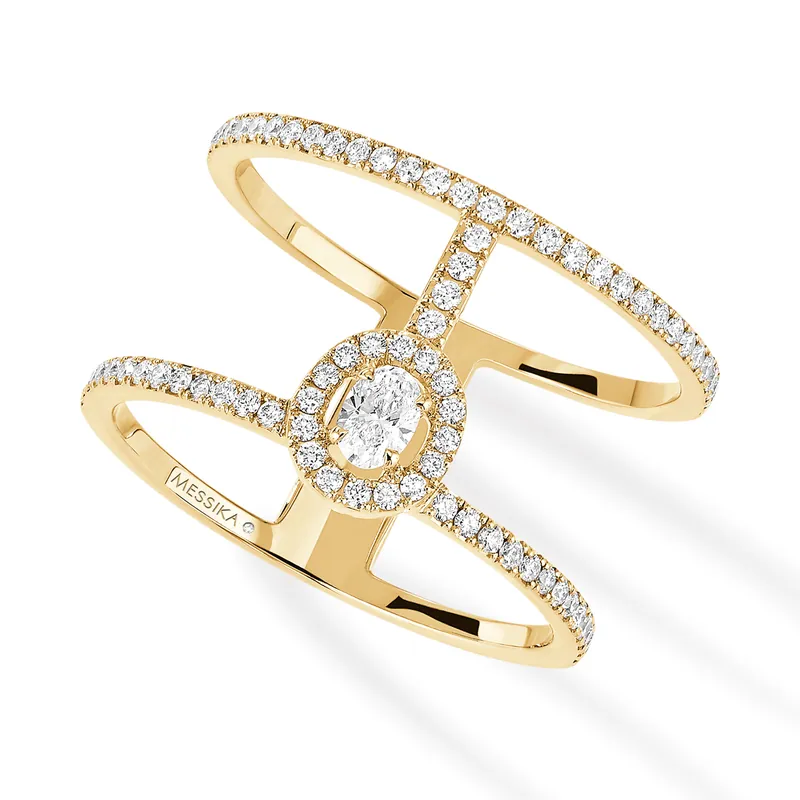
- The Tiffany Setting or Glam'Azone Messika
- The Tiffany Setting or Mellerio Cut Mellerio