The single stone
Same idea, 13 houses.
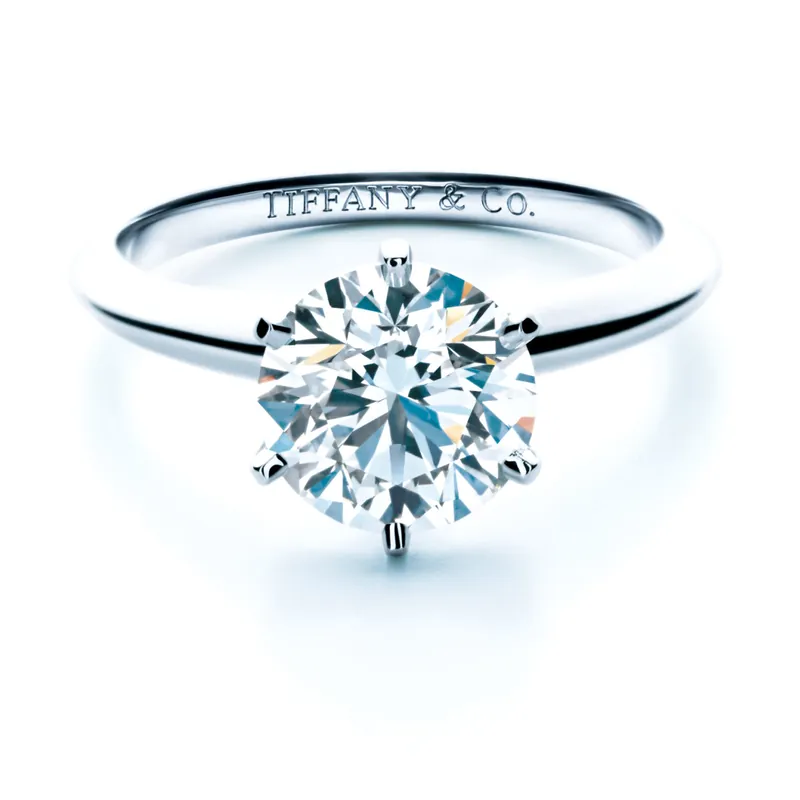
The Tiffany Setting
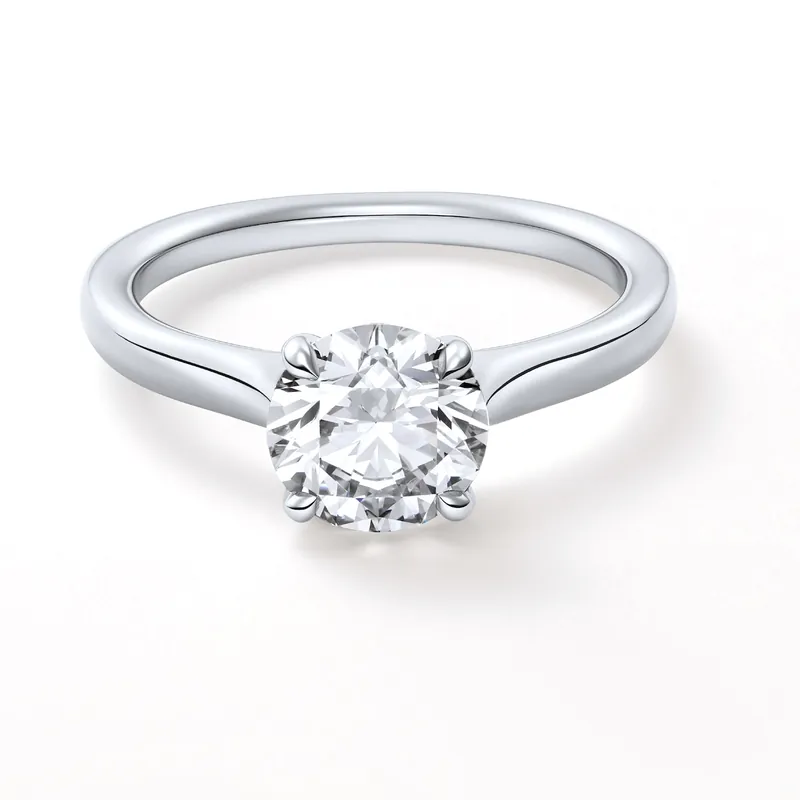
Solitaire 1895
From €930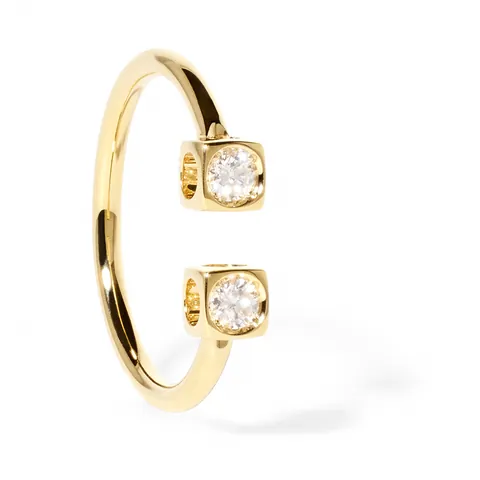
Le Cube Diamant
From €990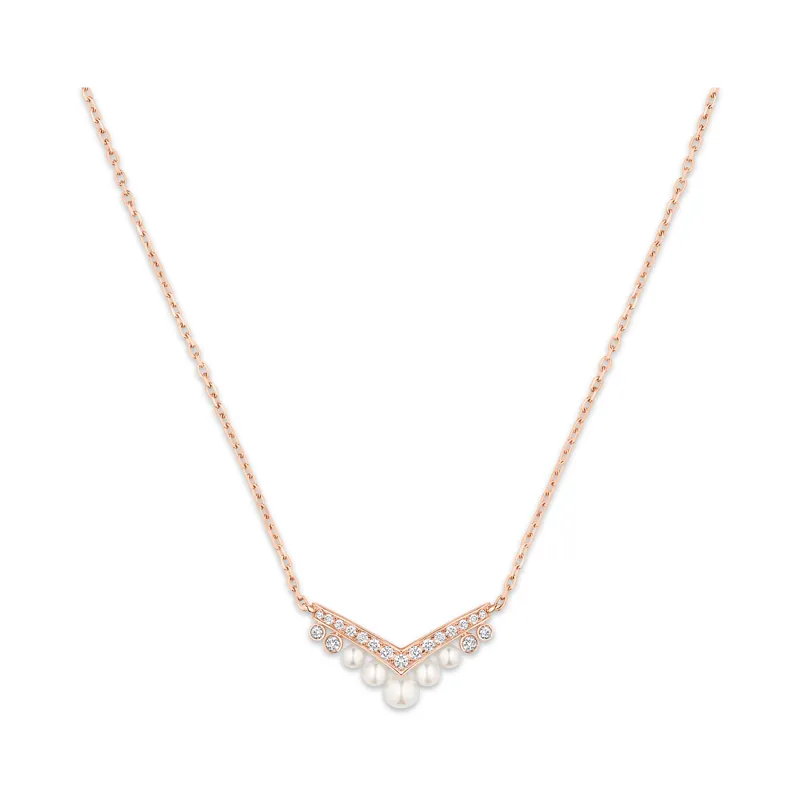
Joséphine
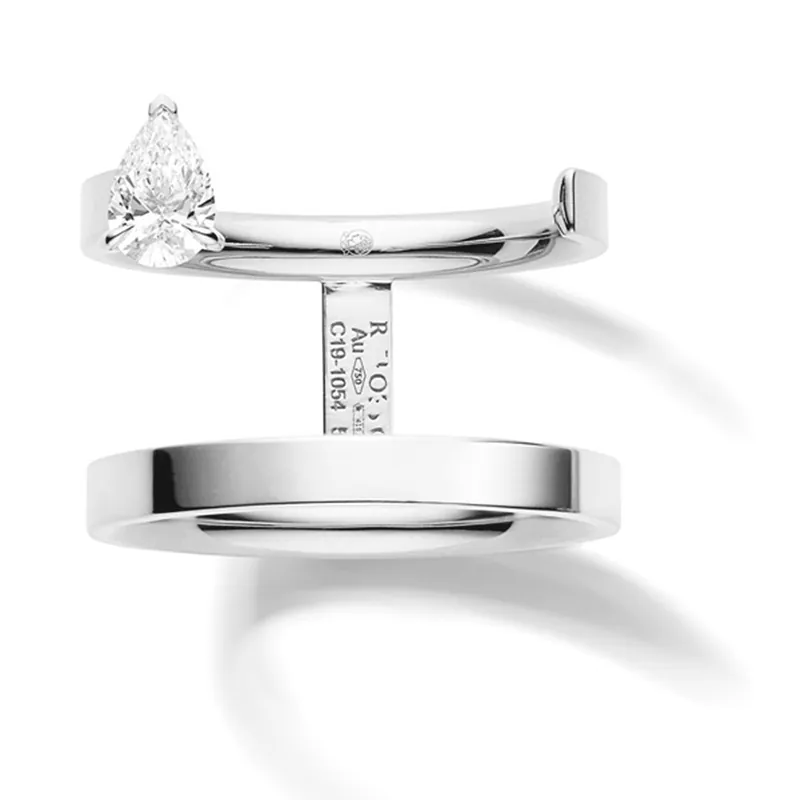
Serti sur Vide
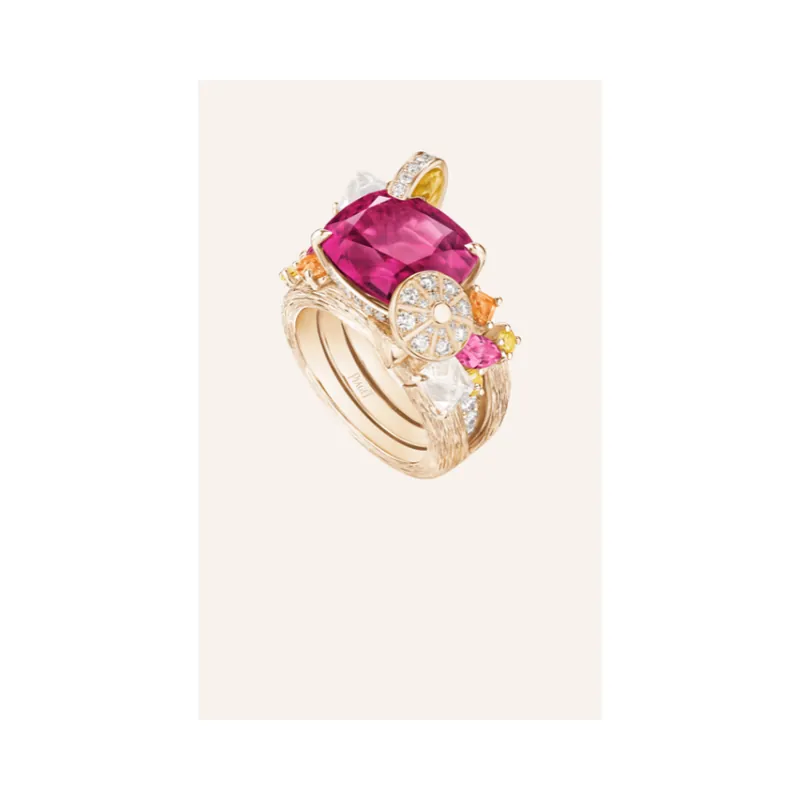
Piaget Solstice
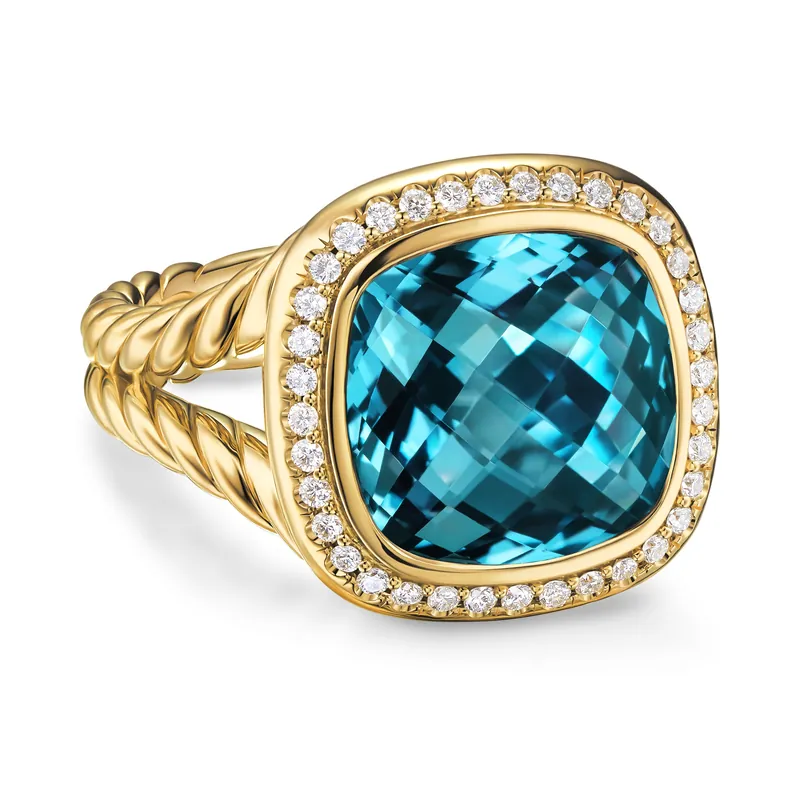
Albion
From €900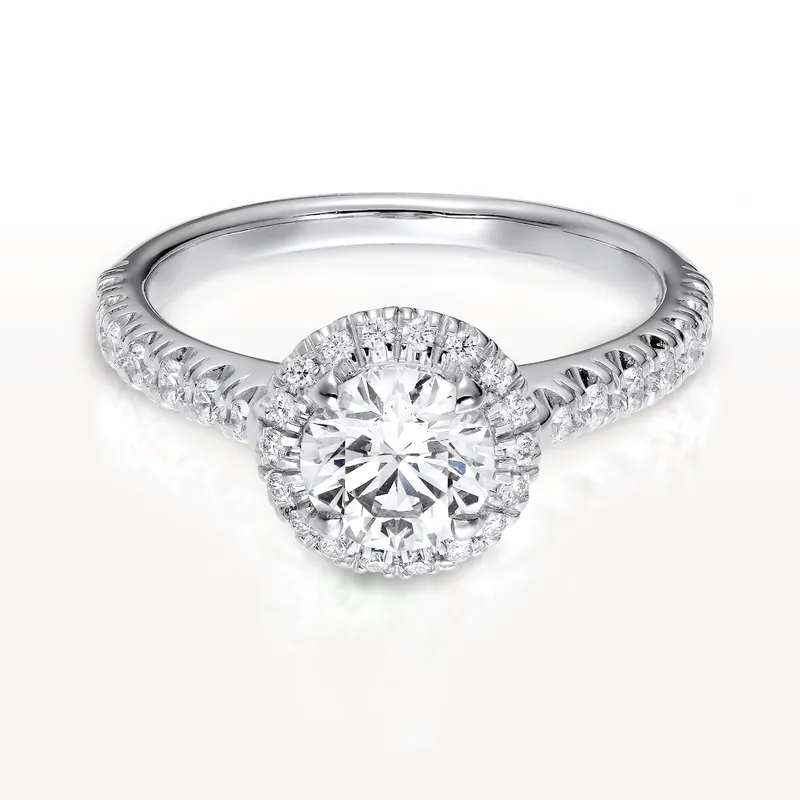
Cartier Destinée
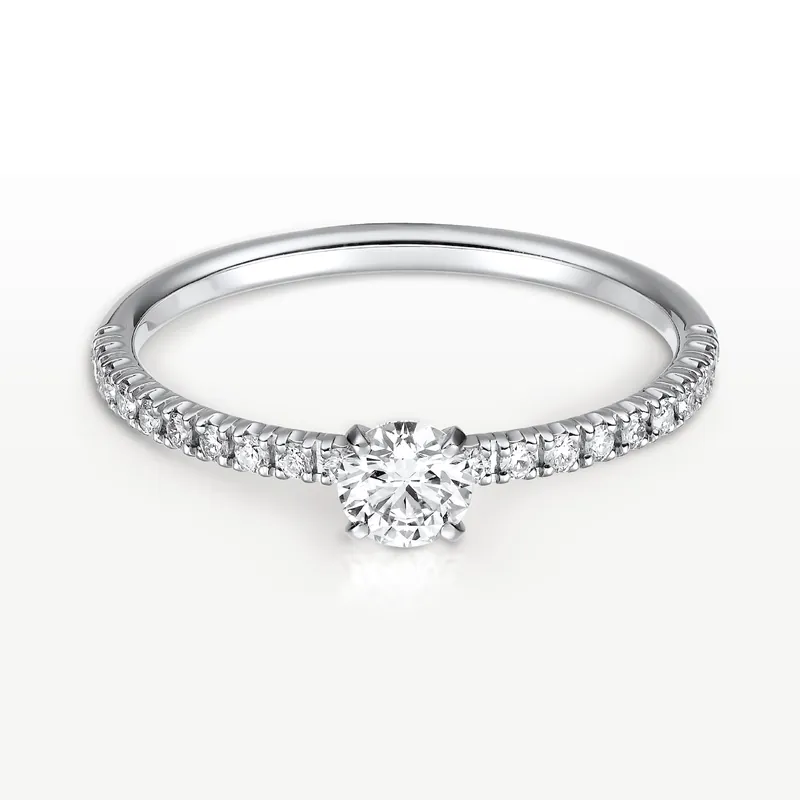
Etincelle de Cartier
From €3,300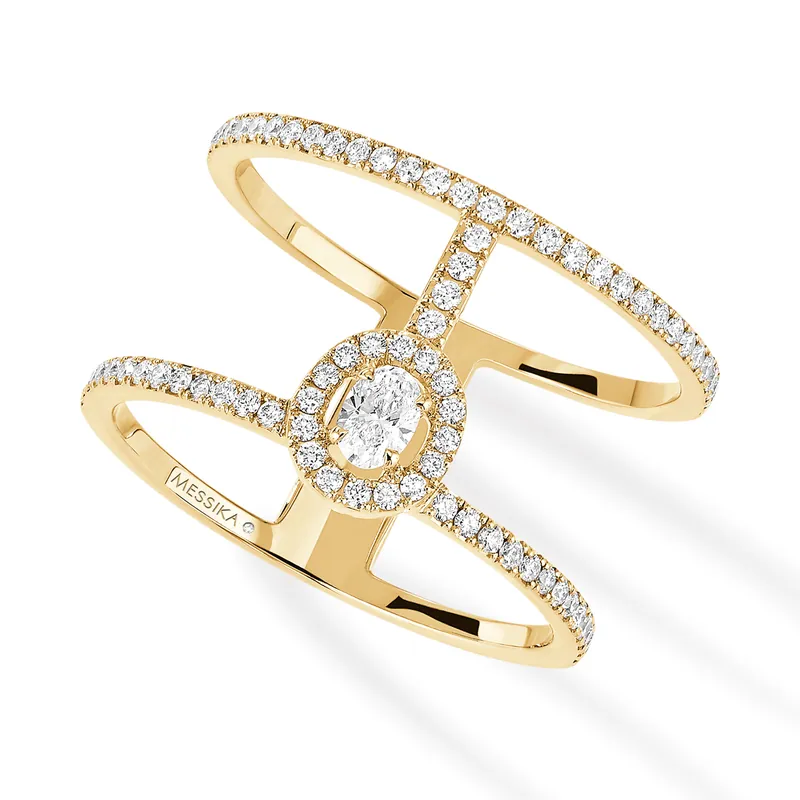
Glam'Azone
From €2,990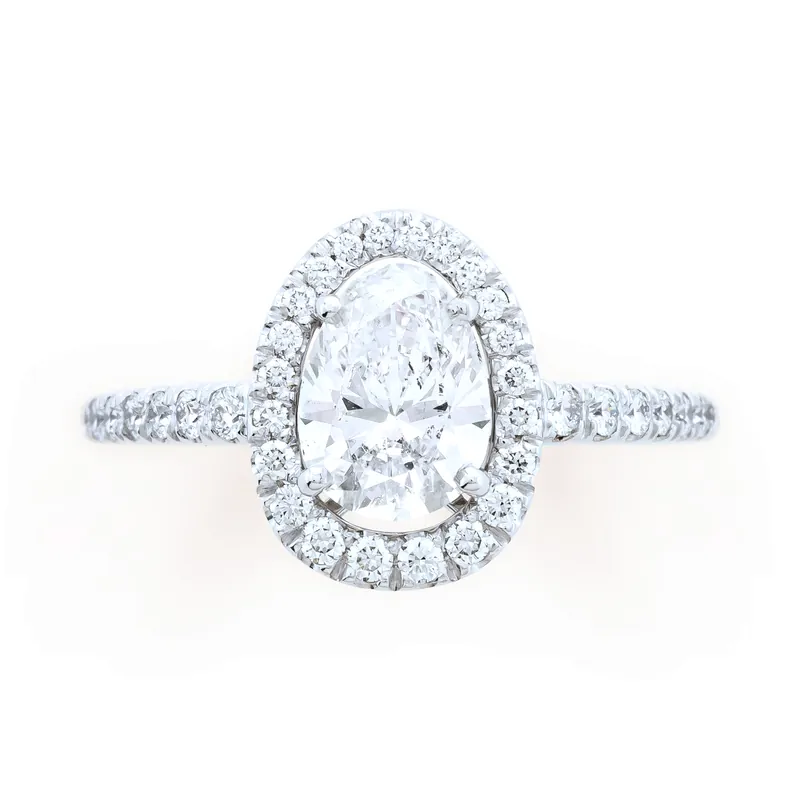
Mellerio Cut
From €10,700Also touching the single stone
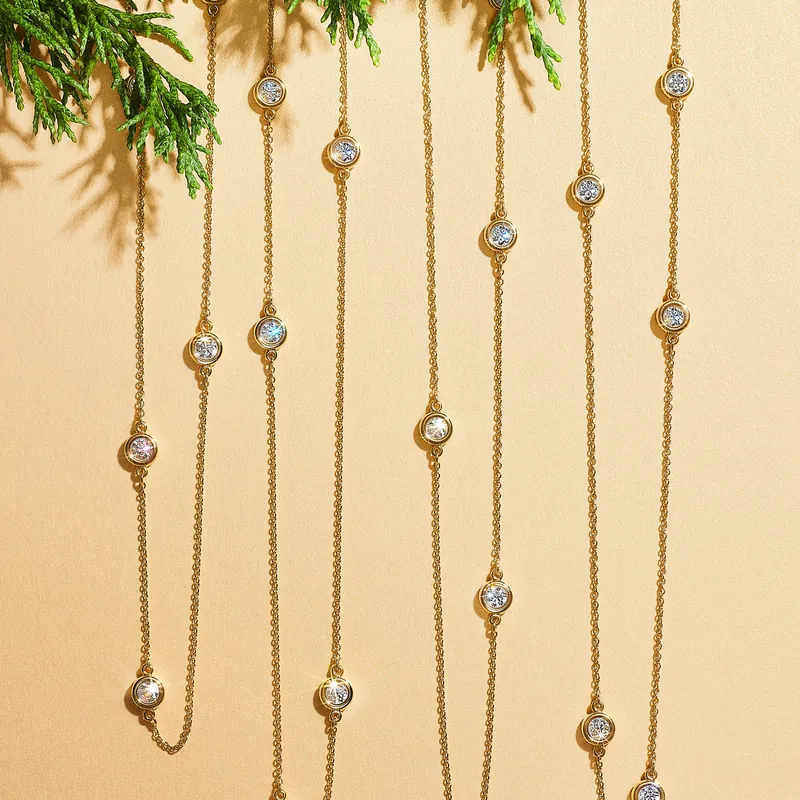
Lineage
- 1886 The Tiffany Setting Tiffany & Co.
- 1895 Solitaire 1895 Cartier
- 1950 Sunflower Harry Winston
- 1971 Le Cube Diamant dinh van
- 1974 Elsa Peretti Diamonds by the Yard Tiffany & Co.
- 2001 Nudo Pomellato
- 2010 Joséphine Chaumet
- 2013 Pain de Sucre FRED
- 2014 Serti sur Vide Repossi
- 2018 Fiorever Bulgari
- 2022 Piaget Solstice Piaget
Cartier Destinée answers Solitaire 1895
Destinée rings the single stone with a halo set so lightly it seems to float free of the metal.
Mellerio Cut answers Solitaire 1895
Mellerio keeps the lone stone but gives it a cut of its own, a softened oval in memory of the Beau Sancy.
Solitaire 1895 answers The Tiffany Setting · 1895
Nine years after Tiffany's six prongs, Cartier raised its one stone on four claws above a plain band.
Le Cube Diamant answers The Tiffany Setting · 1971
Dinh Van keeps the single round diamond but holds it inside an open gold cube, the circle set against the square.
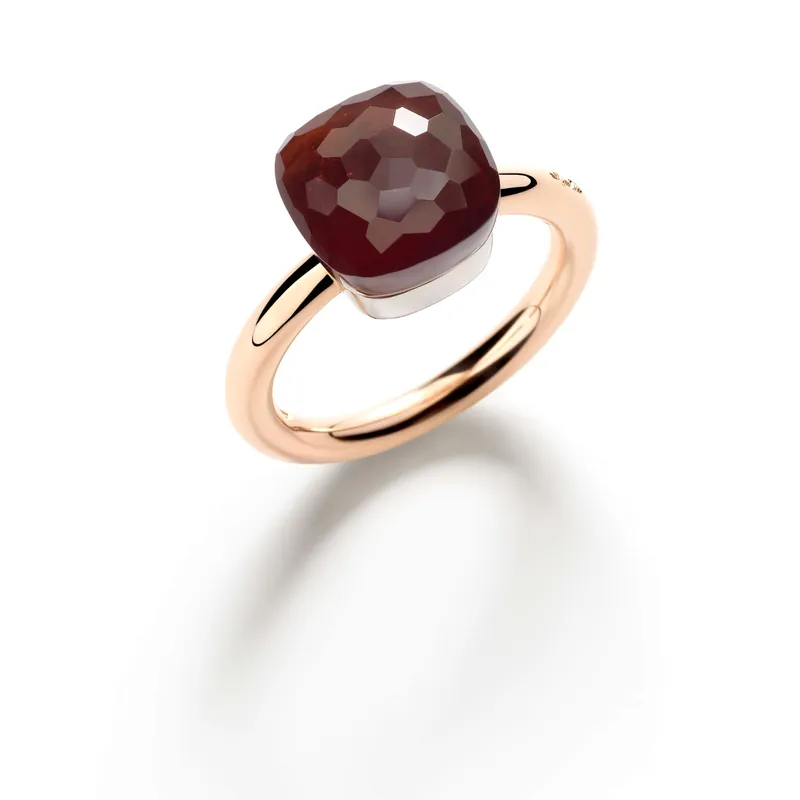
Pain de Sucre answers Nudo · 2013
Pain de Sucre shares Nudo's taste for colour over fire and raises it into a tall sugarloaf cabochon that can be changed at will.
Serti sur Vide answers The Tiffany Setting · 2014
Repossi takes the stone lifted clear of the band to its limit and hides the setting, so the diamond hovers on nothing.
Fiorever answers Sunflower · 2018
Fiorever takes up petals opened round a single brilliant and reduces them to four of gold.
Piaget Solstice answers Pain de Sucre · 2022
Solstice gives the big coloured stone a garnish that comes away, so one ring can be worn dressed or bare.
Where it came from
Postage on the Hope Diamond came to $2.44. Harry Winston, who had bought the 45.52-carat stone in 1949, sent it to the Smithsonian by registered mail in November 1958, in a box wrapped in brown paper and insured for a million dollars. That is the idea at its purest: one gem, and everything else packaging.
The setting is where the jewellers have competed. A diamond ring marked a betrothal as early as 1477, when Archduke Maximilian gave one to Mary of Burgundy, yet in the 1880s most engagement stones still sat low in heavily ornamented gold. In 1886 Charles Lewis Tiffany lifted the diamond on six slender prongs so that light could reach it from every side, and the outline was copied so widely that the house issued public warnings against counterfeits. Cartier's archives record its first solitaire in 1895, and in 1947 De Beers gave the whole trade its slogan: a diamond is forever.
Later designers kept the single stone and changed what held it. Jean Dinh Van closed a round diamond inside an open gold cube in 1971, the circle set against the square. Newer rings play with how much setting to show: Cartier's Destinée circles its centre stone with small diamonds set to look as if they float, and Messika's Glam'Azone holds an oval between two crossing shafts of gold.
Side by side
- Pain de Sucre or Nudo FRED · Pomellato
- Fiorever or Sunflower Bulgari · Harry Winston
- Solitaire 1895 or The Tiffany Setting Cartier · Tiffany & Co.
- Le Cube Diamant or The Tiffany Setting dinh van · Tiffany & Co.
- Joséphine or The Tiffany Setting Chaumet · Tiffany & Co.
- Serti sur Vide or The Tiffany Setting Repossi · Tiffany & Co.
- Piaget Solstice or The Tiffany Setting Piaget · Tiffany & Co.
- Albion or The Tiffany Setting David Yurman · Tiffany & Co.
- Cartier Destinée or The Tiffany Setting Cartier · Tiffany & Co.
- Etincelle de Cartier or The Tiffany Setting Cartier · Tiffany & Co.
- Glam'Azone or The Tiffany Setting Messika · Tiffany & Co.
- Mellerio Cut or The Tiffany Setting Mellerio · Tiffany & Co.
- Solitaire 1895 or Le Cube Diamant Cartier · dinh van
- Solitaire 1895 or Joséphine Cartier · Chaumet
- Solitaire 1895 or Serti sur Vide Cartier · Repossi
- Solitaire 1895 or Piaget Solstice Cartier · Piaget
- Solitaire 1895 or Albion Cartier · David Yurman
- Solitaire 1895 or Glam'Azone Cartier · Messika
- Solitaire 1895 or Mellerio Cut Cartier · Mellerio
- Joséphine or Le Cube Diamant Chaumet · dinh van
- Le Cube Diamant or Serti sur Vide dinh van · Repossi
- Le Cube Diamant or Piaget Solstice dinh van · Piaget
- Albion or Le Cube Diamant David Yurman · dinh van
- Cartier Destinée or Le Cube Diamant Cartier · dinh van
- Etincelle de Cartier or Le Cube Diamant Cartier · dinh van
- Le Cube Diamant or Glam'Azone dinh van · Messika
- Le Cube Diamant or Mellerio Cut dinh van · Mellerio
- Joséphine or Serti sur Vide Chaumet · Repossi
- Joséphine or Piaget Solstice Chaumet · Piaget
- Joséphine or Albion Chaumet · David Yurman
- Cartier Destinée or Joséphine Cartier · Chaumet
- Etincelle de Cartier or Joséphine Cartier · Chaumet
- Joséphine or Glam'Azone Chaumet · Messika
- Joséphine or Mellerio Cut Chaumet · Mellerio
- Piaget Solstice or Serti sur Vide Piaget · Repossi
- Albion or Serti sur Vide David Yurman · Repossi
- Cartier Destinée or Serti sur Vide Cartier · Repossi
- Etincelle de Cartier or Serti sur Vide Cartier · Repossi
- Glam'Azone or Serti sur Vide Messika · Repossi
- Mellerio Cut or Serti sur Vide Mellerio · Repossi
- Albion or Piaget Solstice David Yurman · Piaget
- Cartier Destinée or Piaget Solstice Cartier · Piaget
- Etincelle de Cartier or Piaget Solstice Cartier · Piaget
- Glam'Azone or Piaget Solstice Messika · Piaget
- Mellerio Cut or Piaget Solstice Mellerio · Piaget
- Cartier Destinée or Albion Cartier · David Yurman
- Etincelle de Cartier or Albion Cartier · David Yurman
- Albion or Glam'Azone David Yurman · Messika
- Albion or Mellerio Cut David Yurman · Mellerio
- Cartier Destinée or Glam'Azone Cartier · Messika
- Cartier Destinée or Mellerio Cut Cartier · Mellerio
- Etincelle de Cartier or Glam'Azone Cartier · Messika
- Etincelle de Cartier or Mellerio Cut Cartier · Mellerio
- Mellerio Cut or Glam'Azone Mellerio · Messika